

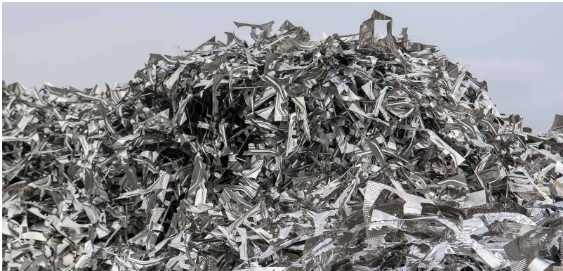
Efficient disposal of waste is an important aspect of running a company smoothly. Many businesses produce significant amounts of scrap metal, old equipment, and other metal waste that can be difficult to manage. Instead of letting these materials accumulate, companies can turn to metal recycling as a practical and sustainable solution. Metal recycling not only reduces waste but also simplifies disposal processes, saves costs, and supports environmental responsibility.
Understanding Metal Recycling
Metal recycling is the process of collecting, sorting, and processing metal materials to reuse them instead of discarding them in landfills. Metals such as aluminum, steel, copper, and iron can all be recycled efficiently. This process conserves natural resources and reduces the need for mining, which can be harmful to the environment. For companies, engaging in metal recycling means turning potential waste into valuable resources, improving operational efficiency and contributing positively to sustainability goals.
Simplifying Disposal Needs
Managing metal waste can be challenging, especially for companies that produce large quantities. Traditional disposal methods may involve multiple trips to waste facilities or hiring costly waste management services. Metal recycling simplifies this process by offering structured solutions for handling scrap metal. Recycling companies often provide collection services, on-site pickup, and sorting assistance, making it easier for businesses to manage their disposal needs. By working with professional recyclers, companies can streamline their waste handling procedures and reduce logistical burdens.
Cost-Effective Benefits
One of the key advantages of metal recycling is its cost-effectiveness. Selling scrap metal to recycling facilities can generate extra revenue, offsetting disposal costs. Additionally, recycling reduces the expenses associated with landfill use and waste transport. By integrating metal recycling into their operations, companies can optimize their budgets while also supporting sustainable practices. Over time, these savings can become significant, making recycling a financially sound choice in addition to being environmentally responsible.
Enhancing Environmental Responsibility
Corporate social responsibility is an important consideration for modern businesses. Metal recycling demonstrates a commitment to sustainability by reducing landfill waste and conserving natural resources. Recycling metals consumes less energy compared to producing new metals from raw materials, leading to lower greenhouse gas emissions. Companies that prioritize metal recycling contribute to a cleaner environment while also enhancing their public image as responsible and forward-thinking organizations. Customers and partners are increasingly valuing businesses that adopt eco-friendly practices, making recycling an important part of a company’s reputation.
Supporting Operational Efficiency
Efficient waste management is closely tied to overall operational performance. By incorporating metal recycling, companies can keep their facilities organized and free from excess clutter. Scrap metal that is collected and processed regularly reduces the risk of safety hazards and improves workflow. Employees can focus on their core tasks without being hindered by unmanaged waste, leading to a more productive work environment. Metal recycling, therefore, not only simplifies disposal but also contributes to smoother daily operations.
Choosing the Right Recycling Partner
Selecting a reliable metal recycling partner is crucial for maximizing the benefits of recycling. Companies should look for recyclers with proper certifications, transparent pricing, and the ability to handle different types of metals. A professional recycling service can offer guidance on how to sort and prepare metals for collection, ensuring compliance with local regulations and environmental standards. Partnering with the right recycler makes the process seamless, allowing businesses to enjoy the full advantages of metal recycling without unnecessary complications.
Conclusion
Metal recycling is a practical solution for companies looking to simplify their disposal needs while promoting sustainability. It helps reduce waste, lower costs, and improve operational efficiency. By choosing the right recycling partner and implementing structured recycling practices, businesses can turn metal waste into a valuable resource and demonstrate environmental responsibility. Ultimately, metal recycling is more than just waste management—it is a smart strategy that supports efficiency, cost savings, and a greener future for your company.