

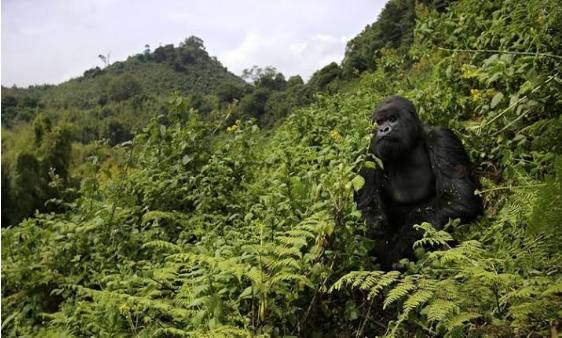
One hour with a mountain gorilla family passes quickly. Many travellers leave wishing they had more time, or the chance to see a different group in a different setting. A double mountain gorilla trekking tour answers that wish by combining two treks into a single itinerary, usually on consecutive or near-consecutive days. You meet two families, see two landscapes and return home with a far fuller picture of these animals.
This guide explains how double tours are built, the main route options, what to budget, how to prepare and how to choose an operator.
What a Double Gorilla Trekking Tour Involves
A double tour is simply a trip that includes two gorilla permits. Each permit is tied to a specific date, a specific park or sector and, on the morning itself, a specific gorilla family. Operators arrange the two treks around your arrival, rest needs and onward travel.
The two treks can be:
- In one park but different days, such as two sectors of Bwindi in Uganda
- In two parks in one country, such as Bwindi and Mgahinga in Uganda
- In two countries, such as Rwanda’s Volcanoes National Park and Uganda’s Bwindi
- In Rwanda alone, trekking two different families on separate days in Volcanoes National Park
Each option shapes cost, driving time and the character of the trip.
Why Choose Two Treks?
Gorilla families differ. Group size, personality, age mix and daily behaviour vary widely. Meeting two families lets you see how varied gorilla society really is. One conservation source notes that family groups average around 10 members, but some can have as many as 40 individuals, so your two encounters can feel entirely different.
You hedge against an ordinary day. Gorillas may be resting, moving fast or sheltering from rain. A second trek improves your chance of watching play, grooming, feeding and interaction.
Terrain contrasts. Bwindi is dense, steep rainforest, while Volcanoes offer bamboo and volcanic slopes. A comparison of the two notes that Bwindi’s trek duration ranges from 2 to 8 hours in dense, steep rainforest, whereas Rwanda’s ranges from 30 minutes to 4 hours across open bamboo and volcanic hills. Doing both lets you experience each habitat.
Efficient use of travel time. The long-haul flight is the biggest hurdle. Once you are in the region, a second permit adds comparatively little to the trip’s overall cost and time.
Route Options for a Double Tour
Route 1: Rwanda and Uganda via Kigali
This is the most popular configuration. You fly into Kigali, trek in Volcanoes National Park, cross the border and trek again in southern Bwindi or Mgahinga. A guide to southern Bwindi explains that the journey from Kigali to Bwindi’s southern sectors takes only four to five hours. The route lets you compare two countries’ systems and lodges in one trip.
Route 2: Two Treks in Uganda
Uganda has several tracking sectors and the lowest permit price of the main gorilla countries. A double tour in Bwindi might combine two sectors, such as Rushaga and Buhoma, or Bwindi and Mgahinga. The sectors differ in scenery, altitude and trekking difficulty. One comparison states that Uganda offers 19 or more habituated gorilla families, 16 of them in Bwindi and at least one in Mgahinga, giving a wide choice.
Route 3: Two Treks in Rwanda
Because Volcanoes National Park has around a dozen habituated families, you can track different groups on consecutive days without leaving the region. This is the simplest logistically, with minimal driving, though it costs more because each permit is priced at the Rwandan rate.
Route 4: Trek plus Habituation
For a more immersive double, pair a standard trek with the gorilla habituation experience in Rushaga. The experience offers four hours with semi-habituated gorillas for $1,500 per person in a maximum group of four. It requires very early booking, but gives a rare contrast between a one-hour and a four-hour encounter.
Sample Itineraries
4-Day Double Trek in Rwanda
- Day 1: Arrive in Kigali and transfer to the Volcanoes region.
- Day 2: First gorilla trek.
- Day 3: Second gorilla trek with a different family.
- Day 4: Return to Kigali for departure.
5-Day Rwanda and Uganda Double Trek
- Day 1: Arrive in Kigali and drive to Musanze.
- Day 2: Gorilla trek in Volcanoes National Park.
- Day 3: Drive to Uganda’s Bwindi southern sector, via the border.
- Day 4: Gorilla trek in Bwindi.
- Day 5: Drive back to Kigali.
Because Day 5 involves a long transfer, plan your flight for the evening or add an extra night in Kigali.
6-Day Double Trek in Uganda
- Day 1: Arrive and transfer toward Bwindi.
- Day 2: Trek in the first sector.
- Day 3: Rest or community activity and move to a second sector.
- Day 4: Trek in the second sector.
- Day 5: Travel to Entebbe, Kigali or onward.
- Day 6: Departure.
Adding a rest day between treks makes a real difference to comfort.
Costs: What to Budget
Permits are the main fixed cost, and they differ by country.
- Rwanda: USD 1,500 per person, with the price reported steady for 2026/2027.
- Uganda: $800 per person in high season, or $600 during the low-season months of April, May and November.
For a double tour, permits alone work out roughly as follows for foreign non-residents:
| Double tour type | Approximate permit cost per person |
| Two treks in Rwanda | $3,000 |
| One Rwanda trek + one Uganda trek | $2,300 |
| Two treks in Uganda (high season) | $1,600 |
| Two treks in Uganda (low season) | $1,200 |
On top of permits, budget for accommodation, transport, meals, porters, tips, visas and insurance. Overall trip costs depend heavily on lodge level and transport choices. Request an itemised quote, and verify current rates, because gorilla trekking rules and prices can change between tariff periods. The Uganda tariff, in particular, was reported as valid through 30 June 2026, so confirm the schedule that applies to your dates.
Rwanda or Uganda First?
If you are combining both, consider the order carefully:
- Start with Rwanda if you want a gentler first trek. Treks there are typically shorter and the terrain more open.
- Start with Uganda if you are fit and want to tackle the more demanding forest while you are fresh, finishing with an easier trek.
- Consider your flights. If you leave Kigali, ending in Rwanda is convenient. If you leave Entebbe, ending in Uganda saves a long transfer.
Best Time for a Double Tour
Gorillas can be trekked all year, but conditions vary. The dry seasons, roughly June to September and December to February, offer firmer trails and easier walking, but also peak demand. The wetter months, March to May and October to November, are greener and quieter, and Uganda offers discounted permits in some of them. A double tour needs two confirmed permits on specific dates, so book as far ahead as possible, particularly in peak months.
Preparing for Two Treks
Fitness. Two treks in a short window require stamina. Build up with hill walking, stair climbing and long hikes in the weeks before travel.
Recovery. Include a rest day if you can. Legs that feel fine after the first trek can be sore by the second morning.
Gear. Pack broken-in hiking boots, long trousers, long-sleeved tops, a waterproof jacket, gloves, a hat and insect repellent. Bring a camera that performs well in low light, with spare batteries. Flash is prohibited.
Porters. Hiring a porter for both treks is wise. They carry your bag, offer support on steep ground and earn valuable income.
Health and insurance. Visit a travel clinic for vaccinations and malaria advice, and choose insurance that covers medical evacuation and permit cancellation.
Rules You Must Follow
Both countries enforce similar rules. A 2026 guide summarises them as a minimum age of 15, a maximum of one hour with the gorillas and a maximum of eight visitors per group. You should also:
- Avoid trekking if you are sick, since gorillas can catch human illnesses.
- Keep your voice low and maintain the distance your guides specify.
- Not eat, drink or smoke near the animals.
- Do not use flash photography.
- Follow ranger instructions immediately if the gorillas approach.
Choosing an Operator
A double tour involves multiple permits, possible border crossings and tight logistics, so operator quality matters more than on a single trek. Look for a licensed company with recent, verifiable reviews and clear pricing. Confirm that both permits are secured before you make full payment. Ask who handles border formalities, how rest days are scheduled and what happens if a permit is cancelled or your flight is delayed. Check refund policies and be wary of offers far below official permit rates.
Conclusion
A double mountain gorilla trekking tour turns a single memorable hour into a richer, more rounded experience. Two families, two landscapes and often two countries reveal how varied gorilla life can be, and the second permit adds modest cost relative to the long journey that brought you there. Rwanda offers ease and polish, Uganda offers value and variety, and combining them gives you both. Plan early, build in a rest day, prepare physically and choose an operator who handles the details. With two chances to share the forest with these remarkable animals, you leave with more than a photograph: you leave with perspective.
Key Takeaways
- A double tour includes two gorilla permits on two separate days, in the same park, two parks or two countries.
- Rwanda’s permit costs $1,500 and Uganda’s 800(600 in low-season months). Verify current rates.
- A Rwanda plus Uganda combination via Kigali is popular and efficient, with southern Bwindi about four to five hours from the capital.
- Treks vary from under an hour to many hours, and Bwindi is generally more demanding than Volcanoes.
- Include a rest day between treks if possible.
- Book permits early, hire porters and follow all health and distance rules.
- Use a licensed operator who confirms both permits before full payment.
Frequently Asked Questions
- What is a double mountain gorilla trekking tour?
It is a tour that includes two gorilla treks, with different families, on different days, in one or more parks or countries. - Can I trek on two consecutive days?
Yes, many travellers do, though a rest day between treks is more comfortable, especially in Bwindi. - Will I see the same gorilla family twice?
Usually not. Operators request different families or sectors, though final allocation is made by the park. - How much do two permits cost?
Roughly $1,200 to $1,600 for two in Uganda, about $2,300 for one in each country and about $3,000 for two in Rwanda, based on current published rates. Confirm before booking. - Is it better to do both treks in one country?
Doing both in Uganda is cheapest, doing both in Rwanda is simplest logistically and combining them offers the most variety. - How long should a double tour be?
Four days is possible in Rwanda. Five to six days is more comfortable for a two-country route. - How fit do I need to be?
Moderate to good fitness is recommended, since two treks in a short period can be tiring. Porters and rest days help. - Can I add the gorilla habituation experience?
Yes, in Uganda’s Rushaga sector, but permits are very limited and require early booking. - What is the minimum age?
Generally 15 years. - Can I add other activities?
Yes. Common additions include golden monkey tracking, chimpanzee tracking, Akagera National Park, Queen Elizabeth National Park and Lake Kivu.