

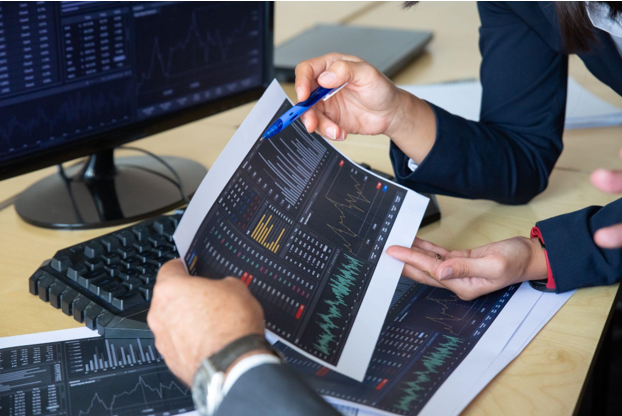
In the dynamic world of financial markets, access to robust technology is a key component of trading success. Whether you are just beginning or you are an experienced investor, the features offered by a forex trading company’s platform can significantly influence your ability to interpret data, manage risk, and adapt to changing market conditions. A high‑quality platform supports smarter trading decisions by combining real‑time insights with intuitive tools that match the needs of every user.
The right functions can help traders analyze opportunities, execute strategies with confidence, and manage portfolios with clarity. Understanding these essential features allows traders to avoid common pitfalls and make more informed choices. Below, we explore the most important platform functions that empower smarter decision‑making and improved results.
Real‑Time Market Data and Dynamic Analysis Tools
The foundation of any informed trading decision is accurate, up‑to‑the‑minute information. Platforms that provide real‑time market data give traders a major advantage by ensuring they see changes in price or trends immediately, rather than after the fact.
Key components of real‑time data functions include:
- Live Quotes and Price Feeds: Instantaneous updates ensure trades are entered and exited based on current conditions, minimizing slippage.
- Comprehensive News Integration: Market news, economic reports, and global alerts delivered within the platform help traders contextualize price movements.
- Multi‑Timeframe Charts: Viewing data across various timeframes reveals both short‑term volatility and long‑term trends, which is critical for strategy refinement.
Additionally, platforms that allow traders to overlay technical indicators such as moving averages, RSI, and MACD directly on real‑time data create a more unified and efficient decision‑making environment, reducing the temptation to use separate external tools that slow down workflow.
Advanced Charting Capabilities
Effective charting transforms raw data into visual insights that are easier to interpret under pressure. Rather than simply showing price movement, advanced charting tools help traders identify patterns, project future movement, and test hypotheses.
Important charting features to look for:
- Multiple chart types: Candlestick, Heikin‑Ashi, line, bar, and Renko to support different analytical styles.
- Custom Overlay Tools: Trendlines, Fibonacci retracements, and support/resistance markers allow deeper insight within the same visual frame.
- Indicator Sets: Access to a library of indicators enables a more nuanced understanding of market health across assets.
Forex trading company platforms that integrate customizable, multi‑layered charts allow traders to build knowledge directly from visual feedback, leading to more decisive actions rather than guesswork or delayed reactions.
Comprehensive Risk Management Tools
No trading strategy should be executed without a clear understanding of risk. Smart platforms embed risk management directly into their core functions, enabling traders to protect capital while pursuing opportunities.
Risk tools include:
- Stop‑Loss Orders: Automatically close positions at predefined loss levels.
- Take‑Profit Orders: Lock in profits when a target price is reached.
- Trailing Stops: Adjust stop levels dynamically as the market moves in your favor.
These tools help to automate discipline. Instead of second‑guessing decisions emotionally, traders can plan risk responses in advance, ensuring smoother reactions during volatile market conditions.
Customizable User Interface and Workflow
Trading is personal; preferences and strategies differ widely. Platforms that offer customization allow traders to build an environment that complements their thought processes and reduces distractions.
Customization features might include:
- Drag‑and‑Drop Dashboards: Arrange charts, watchlists, and panels to mirror workflow.
- Custom Alerts: Notify specific price levels or events via SMS, email, or app alerts.
- Multiple Layouts: Create profiles for different strategies such as day trading, long‑term investing, or swing trading.
The ability to personalize a workspace increases efficiency by bringing priority information to the forefront, letting traders act quickly when opportunities arise.
Mobile Trading and 24/7 Access
With markets moving constantly, access should never be restricted to a desktop. A platform that synchronizes across devices empowers traders to monitor positions, view alerts, and act when timing matters.
Mobile trading should offer:
- Responsive touch‑based charts
- Real‑time execution capability
- Push notifications for breaking news and price triggers
Cross‑device compatibility ensures that traders can manage positions from anywhere, without missing critical developments or being chained to a physical location.
Security and Regulatory Compliance
In the digital era, security is more than a convenience; it is a necessity. Leading platforms implement strong safeguards that protect both personal information and financial assets.
Security standards to expect include:
- Two‑Factor Authentication (2FA): Protects accounts from unauthorized access.
- SSL Encryption: Secures data transmission to prevent interception.
- Regulatory Oversight: Platforms regulated by respected authorities offer greater transparency and trust.
These protections help maintain user confidence and ensure that traders can focus on strategy rather than worrying about vulnerabilities.
Educational Resources and Support Tools
Smart trading is rooted in continuous learning. Platforms that provide educational content help users build skills ranging from market basics to advanced technical analysis.
Helpful resources may include:
- Webinars and Video Tutorials
- Market Insight Reports
- Interactive Tutorials for New Traders
- Glossaries of Trading Terminology
By embedding learning into the trading experience, platforms support informed decisions rather than guesswork.
Fast and Reliable Trade Execution
Insight means little without the ability to act quickly. Platforms must provide swift and dependable order execution to ensure that trades are filled at expected prices.
Ideal execution functions include:
- Low Latency Order Handling
- Multiple Order Types: Market, limit, stop, and conditional orders
- Smart Order Routing: Seeks the best available price and liquidity
Rapid and reliable execution protects traders from slippage, a common problem during fast‑moving market conditions.
Integration With Financial and Management Tools
Today’s investors often use complementary financial tools such as tax reporting services, budgeting apps, and portfolio trackers. Platforms that integrate seamlessly with these tools help unify financial management.
Integration benefits include:
- Automatic Tax Documents
- Banking and Fund Transfer Links
- Portfolio Tracking Dashboards
Centralized management makes it easier to view investment performance in the context of broader financial goals.
Conclusion
Choosing a platform with the right functions is crucial for smarter trading decisions. A strong platform combines live market data, advanced charts, risk management, customization, mobility, security, and education to help traders act confidently. These tools enable better risk management, strategic decisions, and adaptation to changing market conditions.
In this context, VPFX provides a suite of trading tools designed to help users make informed decisions without overwhelming them. Focused on reliability, clear information flow, and adaptable features, VPFX reflects the qualities traders look for when evaluating the best trading platform for forex. Its combination of intuitive interfaces and practical functionality supports decision‑making while maintaining accessibility for both novice and experienced traders alike.