

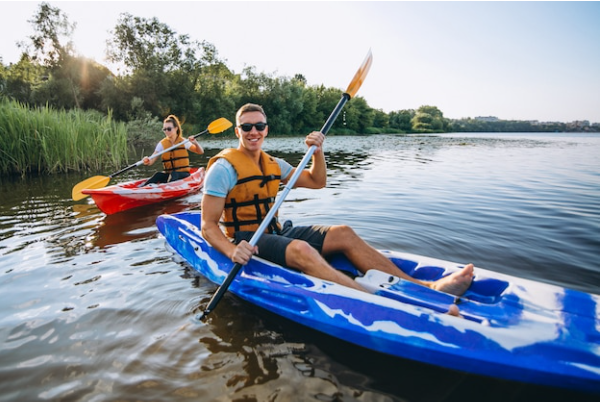
River rafting is an exhilarating adventure that combines teamwork, endurance, and a love for the outdoors. However, challenging river rafting trips require a high level of physical fitness to ensure safety, stamina, and overall enjoyment. Preparing your body in advance can make the difference between a fun experience and an exhausting struggle. Here’s a comprehensive guide to getting physically ready for your next rafting adventure.
1. Build Cardiovascular Endurance
Paddling for extended periods requires strong cardiovascular endurance. Activities such as running, swimming, cycling, or rowing can help improve your heart and lung capacity.
Aim for at least 30–45 minutes of cardio 3–5 times per week leading up to your river rafting trips. Increased endurance ensures you can maintain energy throughout the journey, especially in challenging rapids and long stretches of paddling.
2. Strengthen Core Muscles
Core strength is crucial for balance and stability while navigating a raft. Exercises such as planks, sit-ups, Russian twists, and leg raises strengthen your abdominal and lower back muscles.
A strong core allows you to maintain proper posture, control your paddle, and respond quickly to sudden movements in turbulent water. Including core workouts in your routine at least 2–3 times per week can significantly improve your rafting performance.
3. Enhance Upper Body Strength
Paddling requires significant upper body strength, including arms, shoulders, and back muscles. Incorporate exercises such as push-ups, pull-ups, dumbbell rows, and resistance band workouts into your training routine.
Strong arms and shoulders help you paddle efficiently, maintain stamina, and reduce the risk of fatigue during your river rafting trips. Additionally, strengthening these muscles helps you brace against rapids and maintain stability in the raft.
4. Improve Lower Body Strength and Flexibility
Your legs play an important role in rafting, providing stability and support while seated in the raft. Squats, lunges, and calf raises can strengthen leg muscles, while stretching routines enhance flexibility and prevent cramps.
Yoga is also an excellent way to improve both flexibility and balance, which are essential when maneuvering through fast-moving water.
5. Practice Balance and Coordination
Balance and coordination are key for staying upright and avoiding falls during river rafting. Balance exercises, such as standing on one leg, using a balance board, or performing stability ball workouts, help you develop body awareness.
Improved coordination also allows for smoother paddling and faster reactions to sudden changes in the river’s flow.
6. Focus on Recovery and Hydration
Physical preparation is not only about training; recovery and hydration are equally important. Ensure you get adequate rest between workouts to allow your muscles to recover.
Staying hydrated and maintaining a nutritious diet will improve overall performance and reduce fatigue during your river rafting trips. Light stretching and foam rolling can also prevent soreness and improve flexibility.
Conclusion
Proper physical preparation is essential for safely enjoying challenging river rafting trips. By building cardiovascular endurance, strengthening core and upper body muscles, enhancing lower body strength and flexibility, practicing balance, and prioritizing recovery, you can face rapids with confidence and energy. A well-prepared body allows you to fully embrace the thrill of river rafting, making your adventure both safe and unforgettable.