

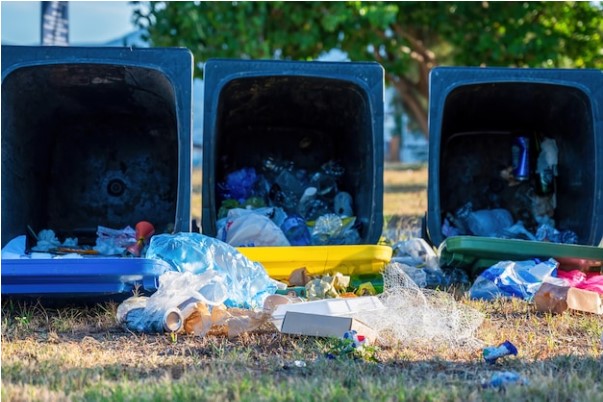
Every renovation, cleanout, or construction job produces more debris than most people expect. Choosing the right dumpster rental keeps your project organized, safe, and on budget, while a poor decision can lead to overflow, extra fees, or costly delays. With so many sizes, rules, and pricing structures, the process can feel confusing. This guide walks through six essential steps for making a smart choice. Use it as your simple planning checklist.
1. Estimate the Type and Amount of Waste
Start by identifying what you will throw away. A dumpster rental for household cleanouts differs from one for roofing shingles, concrete, or yard waste.
Heavy materials like dirt and brick have strict weight limits, while bulky items fill space quickly. Estimating volume carefully helps you avoid paying for unnecessary capacity. Separating heavy and light debris can also simplify disposal and reduce costs.
2. Select the Right Dumpster Size
Sizes commonly range from ten to forty yards. A small dumpster rental suits garage cleanouts and minor bathroom remodels, while larger containers handle whole-home renovations and major construction.
If you are unsure, choose the next size up, since overfilled containers are not allowed and may trigger extra charges. Providers can usually recommend sizes based on your project. Measure your project area and list major items before calling.
3. Understand Pricing and Hidden Fees
Quoted prices may not tell the whole story. Ask whether your dumpster rental includes delivery, pickup, disposal, taxes, and a set weight allowance.
Overage charges, extended rental days, and fuel fees can increase the final bill. Request an itemized estimate and compare at least three providers before committing. Clear pricing is a good sign of an honest company.
4. Check Rental Period and Scheduling
Timing affects both cost and convenience. Most dumpster rental agreements include a standard period, often seven days, with daily fees for extensions. Match delivery to the start of your project, and arrange pickup soon after completion.
Busy seasons can limit availability, so book early whenever possible. Flexible terms are helpful if weather or supply delays slow your work.
5. Review Placement, Permits, and Prohibited Items
Location matters more than many people realize. Before scheduling a dumpster rental, choose a flat, accessible spot with enough clearance for the truck. Placing it on public streets may require a permit from your city.
Also confirm restricted items, such as hazardous chemicals, tires, batteries, and electronics. Protect driveways with plywood boards to prevent scratches or cracks.
6. Choose a Reliable and Reputable Provider
Good service makes the entire experience smoother. Research reviews, licensing, response times, and customer support before choosing a dumpster rental company.
Reliable providers communicate clearly, deliver on schedule, and explain disposal rules honestly. Local companies often offer flexibility and faster service. Ask about insurance and emergency contacts.
Final Thoughts
Planning ahead prevents frustration and unexpected costs. The ideal dumpster rental matches your waste type, project size, schedule, and budget while following local regulations. Take time to compare quotes, ask questions, and read contract terms carefully. With the right choice, your project will run smoothly from the first load to the final cleanup.