

Few journeys capture the imagination like a Kilimanjaro trekking. Rising from the plains of northern Tanzania, the mountain’s snow-streaked summit towers above the clouds at 5,895 meters (19,341 feet). It is the highest peak in Africa and the tallest free-standing mountain in the world. What makes it special is that, for most routes, you do not need ropes, ice axes, or technical climbing skills. You need fitness, preparation, patience, and a willingness to walk slowly for days.
This guide explains how Kilimanjaro trekking works, which route to choose, how to handle altitude, what to pack, and how to prepare, so you can approach the mountain with confidence.
What Makes Kilimanjaro Trekking Unique?
A journey through climate zones. In one trek you pass through five distinct ecological zones: farmland at the base, lush rainforest, heath and moorland, alpine desert, and the icy, windswept summit zone. It feels like traveling from the equator to the Arctic.
Accessible but serious. Kilimanjaro trekking is a walk, not a technical climb, but altitude makes it demanding. Many people who are physically fit still struggle if they climb too fast.
A supported experience. Treks are guided, with teams of guides, porters, and cooks who carry equipment, set up camp, and prepare meals. Registered guides are required inside the national park.
A shared challenge. Trekkers come from all over the world, and the sense of common purpose on the mountain is part of the appeal.
Understanding the Mountain
Kilimanjaro is a dormant volcano with three main cones: Kibo, the highest, which holds the summit; Mawenzi, a jagged, rocky peak; and Shira, the oldest and most eroded. Most trekkers aim for Uhuru Peak, the highest point on Kibo’s crater rim. On the way, many reach Stella Point or Gilman’s Point first, which are on the crater rim but slightly below the true summit.
The Main Kilimanjaro Trekking Routes
Choosing the right route is the most important decision you will make. In general, longer routes allow more time to acclimatize and tend to have higher summit success rates.
Lemosho Route
Often considered one of the most scenic routes, Lemosho begins on the western side and crosses the Shira Plateau. It typically takes seven to eight days, offers excellent acclimatization, and is quieter than some other routes in its early stages.
Machame Route
Machame is the most popular route, nicknamed the “Whiskey” route. It is scenic and varied, usually taking six to seven days. The Barranco Wall scramble is a highlight. Because of its popularity, parts of the trail can be busy.
Rongai Route
Rongai approaches from the north, near the Kenyan border. It is generally drier and gentler, which suits trekkers who prefer a quieter, less steep route. It usually takes six to seven days.
Marangu Route
Known as the “Coca-Cola” route, Marangu is the only route with hut accommodation. It is shorter, often five to six days, but the quick ascent leaves less time for acclimatization, so it is better suited to people who add an extra day.
Northern Circuit
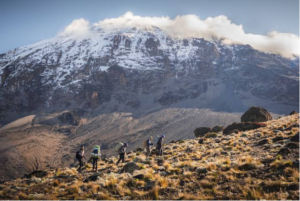
The longest route, the Northern Circuit usually takes eight to nine days. It circles the mountain, offers superb views and the best acclimatization profile, and is among the least crowded.
Umbwe Route
Umbwe is short and steep, and is generally recommended only for experienced trekkers who are confident with altitude.
Understanding Altitude
Altitude is the main challenge on Kilimanjaro, and understanding it improves your chances considerably.
Climb high, sleep low. Many itineraries include a day that climbs higher and returns to a lower camp, which helps the body adapt. The Lava Tower detour on several routes works this way.
Walk slowly. Guides repeat the Swahili phrase “pole pole,” meaning slowly. A slow pace conserves energy and gives your body time to adjust.
Hydrate well. Drinking plenty of water supports acclimatization, though it does not prevent altitude sickness on its own.
Recognize the symptoms. Headache, nausea, dizziness, loss of appetite, and fatigue are common signs of mild altitude sickness. Severe symptoms such as confusion, breathlessness at rest, or loss of coordination require immediate descent.
Talk to a doctor. Some trekkers use preventive medication such as acetazolamide, but this should only be discussed with a qualified medical professional before your trip.
Altitude affects people unpredictably, regardless of age or fitness, so a cautious, well-paced itinerary is the best protection.
Summit Night
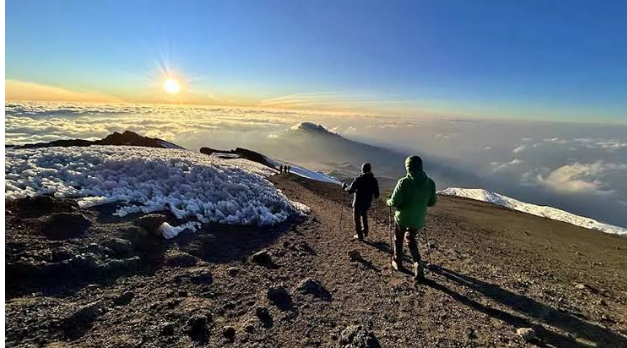
Summit night is the most demanding part of any Kilimanjaro trek. Groups usually wake around midnight, eat a light breakfast, and begin the final ascent in the dark, climbing steadily on loose volcanic scree. Temperatures can drop well below freezing, and the combination of cold, altitude, and fatigue tests every trekker.
Most people reach the crater rim at dawn, with Stella Point or Gilman’s Point first, then continue to Uhuru Peak. The sunrise over the clouds and the glaciers is the moment many trekkers remember most. After a short stay at the top, the descent is quick, and your team will guide you down to a lower camp for rest.
Best Time for Kilimanjaro Trekking
January to March: Warm, relatively dry conditions with clear summit views. It is a popular alternative to the peak season.
June to October: The main dry season. Skies are generally clear, trails are in good condition, and this is the busiest period.
April to May and November: The rainy seasons bring wet trails, cloud cover, and fewer trekkers. It is possible to climb, but conditions are more challenging.
Weather on the mountain is always changeable, so prepare for rain, wind, and cold regardless of the season.
Training and Fitness Preparation
You do not need to be an athlete, but good preparation matters.
- Start early. Aim for at least two to three months of training before your trek.
- Walk with a pack. Long hikes on hills or stairs, wearing the boots and pack you will use, build stamina and test your gear.
- Build cardiovascular fitness. Running, cycling, or swimming supports endurance at altitude.
- Strengthen your legs and core. Squats, lunges, and core exercises help on steep sections and the descent.
- Practice consecutive days. Back-to-back hikes simulate the fatigue of a multi-day trek.
- Prepare mentally. Summit night is as much a mental challenge as a physical one.
What to Pack for Kilimanjaro
Packing for Kilimanjaro means preparing for tropical heat, rain, and sub-zero cold in a single trip.
Clothing (layered system)
- Moisture-wicking base layers
- Insulating mid-layers such as fleece
- A warm down or synthetic jacket for summit night
- Waterproof jacket and trousers
- Hiking trousers and shorts
- Warm hat, sun hat, buff, and gloves with liners
- Thermal socks and several pairs of hiking socks
Equipment
- Broken-in waterproof hiking boots
- Trekking poles
- Headlamp with spare batteries
- A sleeping bag rated for low temperatures
- Daypack and waterproof duffel bag
- Sunglasses, high-factor sunscreen, and lip balm
- Water bottles or a hydration system
- Basic first aid kit and personal medication
Many operators rent items such as sleeping bags and poles, which can be convenient for travelers who do not want to buy gear for one trip.
Choosing a Kilimanjaro Trekking Operator
The operator you choose affects your safety, comfort, and success.
- Verify licensing. Choose a licensed operator registered to operate on the mountain.
- Ask about safety. Reputable companies carry oxygen, pulse oximeters, and first aid supplies, and train guides in altitude awareness.
- Check porter welfare. Ethical operators pay fair wages, provide proper gear, and follow porter welfare standards.
- Review group sizes. Smaller groups often get more personal attention.
- Look at itinerary length. Beware of very short itineraries that sacrifice acclimatization.
- Read recent reviews. Look for consistent feedback from multiple trekkers.
- Request itemized pricing. Confirm what is included, such as park fees, meals, equipment, and transfers.
Sample 8-Day Lemosho Itinerary
- Day 1: Drive to the western gate, hike through rainforest to the first camp.
- Day 2: Cross the Shira Plateau toward Shira camp.
- Day 3: Ascend toward the Lava Tower for acclimatization, then descend to Barranco camp.
- Day 4: Climb the Barranco Wall and continue to Karanga camp.
- Day 5: Hike to Barafu camp and rest before the summit push.
- Day 6: Summit night begins around midnight, reaching Uhuru Peak at sunrise, then descending to a lower camp.
- Days 7 and 8: Descend through the forest to the park gate and return to your hotel.
Conclusion
Kilimanjaro trekking is a rewarding challenge that combines physical effort, mental resolve, and breathtaking scenery. Success depends less on raw strength than on smart choices: picking a longer route, pacing yourself, preparing your body and gear, and choosing a reputable, safety-focused operator. Listen to your guides, respect the altitude, and stay flexible with your plans. The reward is a sunrise above the clouds on the roof of Africa, and a sense of achievement that stays with you long after the descent.
Key Takeaways
- Kilimanjaro stands at 5,895 meters and is the highest mountain in Africa, climbable without technical skills.
- Longer routes such as Lemosho and the Northern Circuit offer better acclimatization and generally higher success rates.
- Altitude is the main challenge, so walk slowly, hydrate, and monitor symptoms.
- Summit night begins around midnight and is both physically and mentally demanding.
- January to March and June to October are the best trekking windows.
- Training for two to three months, with loaded hikes, improves your readiness.
- Choose a licensed operator with strong safety standards and fair treatment of porters.
Frequently Asked Questions
- How hard is it to climb Kilimanjaro? It is not technically difficult, but the altitude, cold, and multi-day effort make it demanding. Good preparation and a slow pace greatly improve your chances.
- How long does a Kilimanjaro trek take? Most routes take between five and nine days. Longer itineraries are generally recommended for better acclimatization.
- What is the best route for Kilimanjaro trekking? Lemosho and the Northern Circuit are often recommended for their acclimatization profiles and scenery. Machame is popular, and Rongai suits those who prefer a drier, quieter route.
- When is the best time to climb Kilimanjaro? January to March and June to October are the most popular periods because conditions are generally drier and clearer.
- Do I need a guide? Yes. Registered guides are required inside Kilimanjaro National Park, and most trekkers also travel with porters and a cook.
- Can beginners climb Kilimanjaro? Many first-time trekkers succeed, but you should be in good health and train in advance. Consult your doctor before booking.
- What is altitude sickness? It is a condition caused by reduced oxygen at high altitude. Symptoms include headache, nausea, and dizziness. Severe symptoms require descent and medical attention.
- How cold does it get on the summit? Temperatures on summit night can fall well below freezing, and wind chill can make it feel colder, so warm layers are essential.
- Do I need travel insurance? Yes. Choose a policy that covers high-altitude trekking up to the summit and emergency evacuation.
- Can I rent gear in Tanzania? Many operators and shops in Moshi and Arusha rent items such as sleeping bags, trekking poles, and jackets, which can save luggage space and cost.