

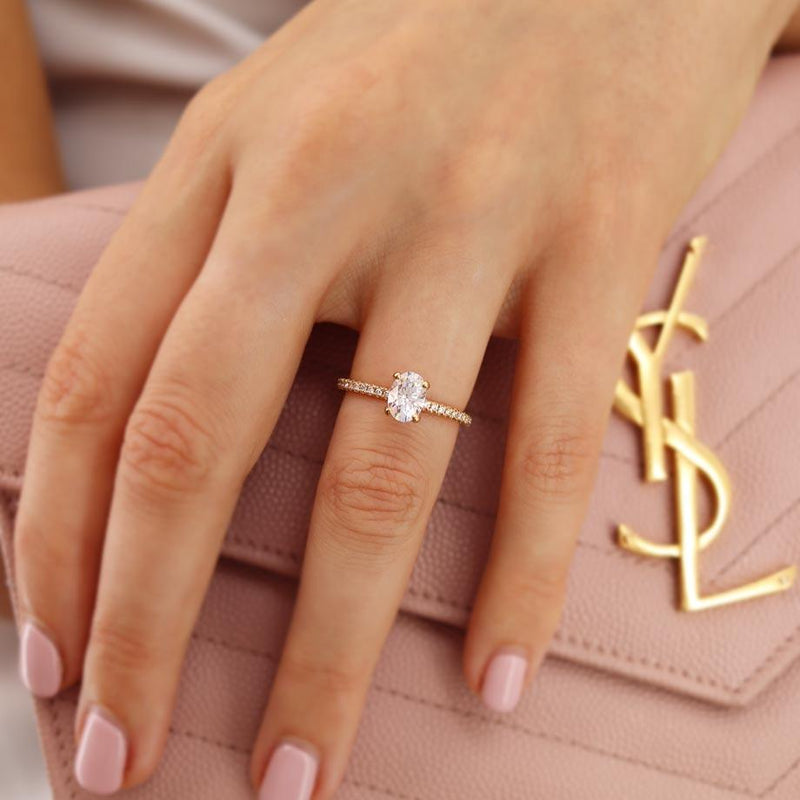
Choosing between platinum and gold is a meaningful step for anyone exploring fine jewellery, and this decision becomes even more considered when browsing Lily Arkwright ethical jewellery. The website presents a thoughtful comparison between these two precious metals, helping customers align their values, lifestyle, and aesthetic preferences with the right material. Understanding how platinum and gold differ can make the selection process more confident and rewarding.
Platinum is often associated with strength and longevity. It is a naturally white metal that maintains its colour without the need for additional plating. On the Lily Arkwright website, platinum is presented as a premium option for those who value durability and understated elegance. Because of its density, platinum feels heavier than gold, which many people interpret as a sign of quality. This weight also contributes to its resistance to wear, making it especially appealing for engagement rings and wedding bands that are worn daily.
Gold, on the other hand, offers versatility and a broader range of visual styles. Yellow gold carries a classic warmth, white gold delivers a contemporary look, and rose gold provides a softer, romantic tone. Lily Arkwright highlights how gold can be tailored to suit individual tastes, making it an attractive choice for customers who want a specific colour or design aesthetic. Gold is mixed with other metals to increase its strength, and the website explains how different karat levels affect durability and appearance.
Another important factor explored on the Lily Arkwright platform is maintenance. Platinum develops a natural patina over time, which many wearers appreciate for its character and subtle sheen. This surface change does not reduce the metal’s integrity and can be polished if a brighter finish is desired. Gold, particularly white gold, may require periodic re plating to maintain its original look. This distinction is useful for customers who want to understand the long term care involved with each option.
Ethical sourcing plays a central role in the decision making process. Lily Arkwright emphasises responsible practices across its collections, ensuring that both platinum and gold meet high ethical standards. Customers who prioritise sustainability and transparency can feel reassured that their choice aligns with modern values. The website clearly communicates how ethical considerations are integrated into material selection, allowing buyers to make informed decisions without compromising on beauty or quality.
Cost is another aspect that naturally influences choice. Platinum is typically more expensive due to its rarity and density. Lily Arkwright addresses this openly, helping customers understand why the price difference exists and what benefits come with the higher investment. Gold offers more flexibility across price points, especially when choosing lower karat options. This makes gold appealing to those who want a balance between luxury and budget considerations.
Skin sensitivity is also discussed as part of the comparison. Platinum is hypoallergenic in its pure form, making it suitable for individuals with sensitive skin. Gold alloys can sometimes cause reactions depending on the metals used, although higher karat gold generally reduces this risk. By including this information, Lily Arkwright supports customers in selecting jewellery that is comfortable as well as beautiful.
Ultimately, the Lily Arkwright website frames the choice between platinum and gold as a personal one rather than a definitive right or wrong decision. Platinum suits those seeking durability, purity, and a naturally white finish. Gold appeals to those who value colour options, tradition, and adaptability in design. By presenting clear, balanced information, Lily Arkwright empowers customers to choose a metal that reflects their lifestyle, values, and long term vision.
Whether drawn to the enduring strength of platinum or the timeless charm of gold, visitors to the Lily Arkwright website are guided through a decision that goes beyond aesthetics. The focus on ethical practices, quality craftsmanship, and informed choice ensures that every piece feels meaningful, lasting, and aligned with the wearer’s story.